
Have you ever wondered how to achieve that even, radiant skin tone without compromising your skin’s health?
Many turn to harsh treatments with the hope of quick results, often ignoring the potential damage to their skin.
Effective skin toning involves using safe and suitable products that cleanse, balance pH, and help in reducing dark spots and discolouration without altering the skin’s natural colour.
In this article, we’ll explore various skin toning techniques, from creams and lasers to non-surgical methods and professional treatments, providing you with the knowledge to choose the best option for your skin.
Exploring Skin-Lightening Creams for Effective Skin Toning
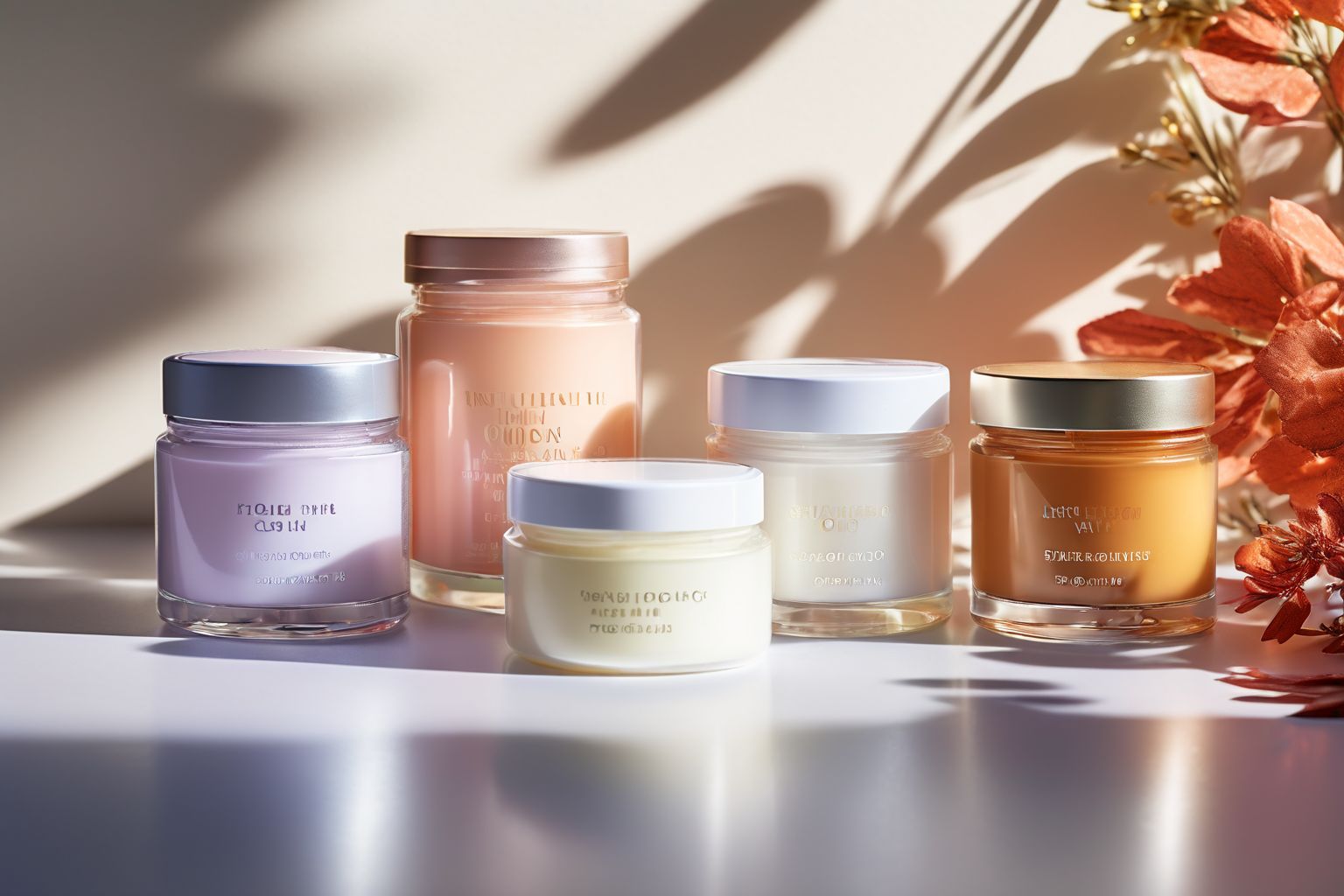
Skin-lightening creams, often referred to as bleaching creams, are designed to reduce the melanin pigment in the skin, thereby lightening the complexion. These creams can target specific dark spots or aim for an overall lighter skin tone. They are formulated with various active ingredients like hydroquinone, glycolic acid, and vitamin C, which help in decreasing melanin production.
It’s essential to understand the different types of skin-lightening products available. These can range from over-the-counter options to prescription-strength formulas. Over-the-counter creams are generally milder and suitable for minor pigmentation issues. In contrast, prescription creams are stronger and used under medical supervision for more significant skin conditions like melasma or severe hyperpigmentation.
When considering skin-lightening creams, safety should be a primary concern. It is crucial to consult with a dermatologist before starting any treatment, as some ingredients can cause side effects. These side effects might include skin irritation, increased sensitivity to sunlight, and, with prolonged use, even more severe conditions such as ochronosis.
Understanding Skin Bleaching: Process, Effectiveness, and Risks
Skin bleaching involves applying topical substances to decrease the skin’s melanin content. The effectiveness of skin bleaching creams primarily depends on the active ingredients used, such as hydroquinone, which can significantly lighten darker skin areas. However, the process must be monitored closely by healthcare professionals to avoid adverse effects.
The risks associated with skin bleaching are notable and include skin irritation, dermatitis, and uneven pigmentation. Prolonged use of certain chemicals like hydroquinone can lead to ochronosis, a condition where the skin becomes dark and thick. Moreover, illegally produced skin-lightening products may contain harmful substances like mercury, posing severe health risks.
Laser Skin Lightening: Procedure, Costs, and Recovery
Laser skin lightening is an advanced cosmetic procedure that targets melanin, the pigment that gives skin its colour. The process involves using a concentrated beam of light to break down melanin in the skin, leading to a lighter complexion. This treatment is particularly effective for addressing hyperpigmentation, dark spots, and uneven skin tones. The procedure is usually quick, with each session lasting about 30 minutes to an hour, and is performed using a handheld laser device.
The cost of laser skin lightening can vary widely depending on several factors:
- Location of the clinic: Prices can be higher in metropolitan areas compared to smaller towns.
- Size of the area being treated: Larger areas require more time and resources, thus increasing the cost.
- Number of sessions needed: Most people require multiple sessions to achieve their desired results, which can add to the overall expense. It’s important to discuss these aspects with your specialist to get a clear understanding of the potential costs.
Recovery from laser skin lightening is generally swift, with most individuals able to resume their normal activities within a few days. However, it’s crucial to follow the aftercare instructions provided by your specialist to ensure optimal results and minimise any potential side effects, such as:
- Avoiding direct sunlight and using a high-SPF sunscreen to protect the treated areas.
- Keeping the skin moisturised and using any prescribed skin care products.
- Attending follow-up appointments to monitor progress and make any necessary adjustments to the treatment plan.
Non-Surgical Skin Toning Methods: What You Need to Know
Non-surgical skin toning methods have gained popularity for those seeking to enhance their skin’s appearance without undergoing invasive procedures. Techniques like microdermabrasion and ultrasound therapy are favoured due to their minimal downtime and reduced risk of complications. Microdermabrasion involves using a device to gently exfoliate the skin, removing the outermost layer and promoting new cell growth. This method is particularly effective for improving skin texture and reducing the appearance of fine lines.
Ultrasound therapy, on the other hand, uses sound waves to target deeper layers of the skin, stimulating collagen production and resulting in tighter, more youthful skin. Here are some key points about ultrasound therapy:
- It can penetrate deeper than other non-invasive treatments, reaching the subdermal layers.
- It’s suitable for various skin types, although precautions should be taken for those with higher Fitzpatrick skin types.
- Results are not immediate; improvement is typically observed over several months.
When considering non-surgical skin toning methods, it’s essential to have realistic expectations about the outcomes. While these techniques can provide noticeable improvements in skin tightening and texture, they are generally more subtle compared to surgical options. Potential users should consult with a dermatologist to discuss the best options based on their specific skin type and condition, ensuring the chosen method aligns with their skin health and aesthetic goals.
Radiofrequency Therapy for Skin Toning: Benefits and Considerations
Radiofrequency therapy stands out as a non-invasive skin toning method that uses low-frequency electromagnetic waves to heat the deeper layers of the skin. This process stimulates the production of collagen and elastin, proteins essential for maintaining skin’s firmness and elasticity. The benefits of radiofrequency therapy include:
- Improvement in skin texture and tone
- Reduction in the appearance of fine lines and wrinkles
- Non-surgical, with no downtime required
Despite its numerous advantages, radiofrequency therapy does come with considerations that potential users should be aware of. The treatment is generally safe but can cause mild discomfort during the procedure, such as a warm sensation or slight redness, which typically subsides quickly. Costs can vary significantly based on factors like the provider’s experience and the treatment’s geographic location, ranging from moderate to high in price. It’s crucial for individuals to consult with qualified professionals to ensure the treatment is tailored to their specific skin needs and to avoid any potential risks.
Discover Personalised Skin Toning Solutions at BEAUTYCLINIC
At BEAUTYCLINIC, you can discover a range of personalised skin toning solutions that cater specifically to your unique skin needs. With the expertise of board-certified dermatologists, the clinic offers advanced treatments like Morpheus 8 and Lanluma X, which are designed to enhance your natural beauty while ensuring the highest standards of care. These treatments are tailored to effectively address various skin concerns, ensuring that each client receives the most suitable procedure for their specific condition.
Choosing BEAUTYCLINIC for your skin toning needs comes with numerous benefits:
- Access to cutting-edge technology and treatments
- Personalised care from experienced professionals
- Treatments that are designed to deliver long-lasting results
This ensures not only the effectiveness of the treatments but also the safety and satisfaction of each client. By opting for BEAUTYCLINIC’s services, you are investing in quality and expertise that stands out in the field of aesthetic beauty.
Frequently Asked Questions
What does skin toning mean?
Skin toning involves using safe and suitable products that cleanse, balance pH, and help in reducing dark spots and discolouration without altering the skin’s natural colour. It aims to achieve an even, radiant skin tone while maintaining the health of the skin.
What’s good for toning skin?
For toning skin, using skin-lightening creams with active ingredients like hydroquinone, glycolic acid, and vitamin C can be effective. Non-surgical methods like microdermabrasion and ultrasound therapy, as well as laser skin lightening, are also beneficial options. Consulting with a dermatologist before starting any treatment is crucial to ensure safety and suitability.
What is the best treatment for toning skin?
The best treatment for toning skin can vary depending on individual skin conditions and goals. Options include laser skin lightening for hyperpigmentation and dark spots, and non-surgical methods like microdermabrasion and ultrasound therapy for skin texture and tightening. It’s essential to consult with a dermatologist to choose the most suitable option.
How can I tone the skin on my face?
To tone the skin on your face, you can use skin-lightening creams specifically designed for facial use, or opt for procedures like laser skin lightening. Non-surgical methods such as microdermabrasion or ultrasound therapy are also effective in improving skin texture and promoting new cell growth. Always follow the guidance of a dermatologist to ensure the treatments are appropriate for your skin type.


