
Tired of those stubborn sun spots marring your complexion?
Sun spots can be a frustrating reminder of prolonged sun exposure and can affect your skin’s overall appearance.
Laser treatments can effectively reduce and erase the appearance of sun spots by targeting and breaking down the melanin that causes these dark patches.
This comprehensive guide will explore various laser options for treating sun spots on the face, delve into their effectiveness, and discuss everything from alternative treatments to post-treatment care.
Exploring Treatment Options for Sun Spots on the Face
Sun spots, often a result of prolonged exposure to the sun, can significantly affect your skin’s appearance. Various treatment options are available, but laser treatments are particularly noted for their effectiveness. These treatments target the melanin causing these dark spots, breaking them down to reduce or erase their appearance.
For those considering laser treatments, it’s crucial to understand the range available. From ablative lasers that remove the top layer of skin to non-ablative options that work beneath the surface, each type offers specific benefits depending on the severity of the sun damage and the desired outcome. Consulting with a dermatologist can help tailor the right approach for your skin type and condition.
Besides laser treatments, several non-laser options can also be effective in treating sun spots. These include chemical peels, microdermabrasion, and topical treatments, each with its pros and cons. Depending on your skin’s sensitivity and the extent of sun damage, these alternatives might be suitable for those looking for less invasive options.
Alternatives to Laser Treatments for Sun Spots
While laser treatments are highly effective for removing sun spots, alternatives like chemical peels and microdermabrasion also offer considerable benefits. Chemical peels involve applying a solution to exfoliate the skin, which helps in reducing the appearance of sun spots by removing the outermost layers of skin.
Microdermabrasion, another popular non-laser treatment, uses a minimally abrasive instrument to gently sand your skin, removing the thicker, uneven outer layer. This type of skin rejuvenation is used to treat light scarring, discoloration, and sun damage, making it a viable option for those seeking a less aggressive approach.
How Effective Are Laser Treatments for Sun Spots?
Laser treatments for sun spots are praised for their precision and effectiveness. These treatments can target specific pigmentation issues without damaging surrounding tissues. Studies have shown that with proper care and sun protection, the results of laser treatments can be long-lasting, making them a preferred choice for many seeking clear, even-toned skin.
The effectiveness of laser treatments can vary based on the type of laser used and the individual’s skin type. Fractionated lasers, for instance, are known for their ability to treat sun damage with minimal downtime, making them ideal for those who cannot take extended time off from daily activities.
Understanding the Risks of Laser Sun Spot Removal
Despite their high efficacy, laser treatments for sun spots come with potential risks and side effects. Common concerns include redness, swelling, and sensitivity to sun exposure post-treatment. In some cases, there is a risk of hyperpigmentation or, less commonly, hypopigmentation, where the treated skin may become lighter than surrounding areas.
More serious side effects, although rare, can include scarring and changes in skin texture. It’s essential to choose a qualified and experienced dermatologist to minimize these risks. A professional can also provide pre- and post-treatment care instructions to ensure the best possible outcome with the least complications.
Before and After: The Impact of Laser Treatment on Sun Spots
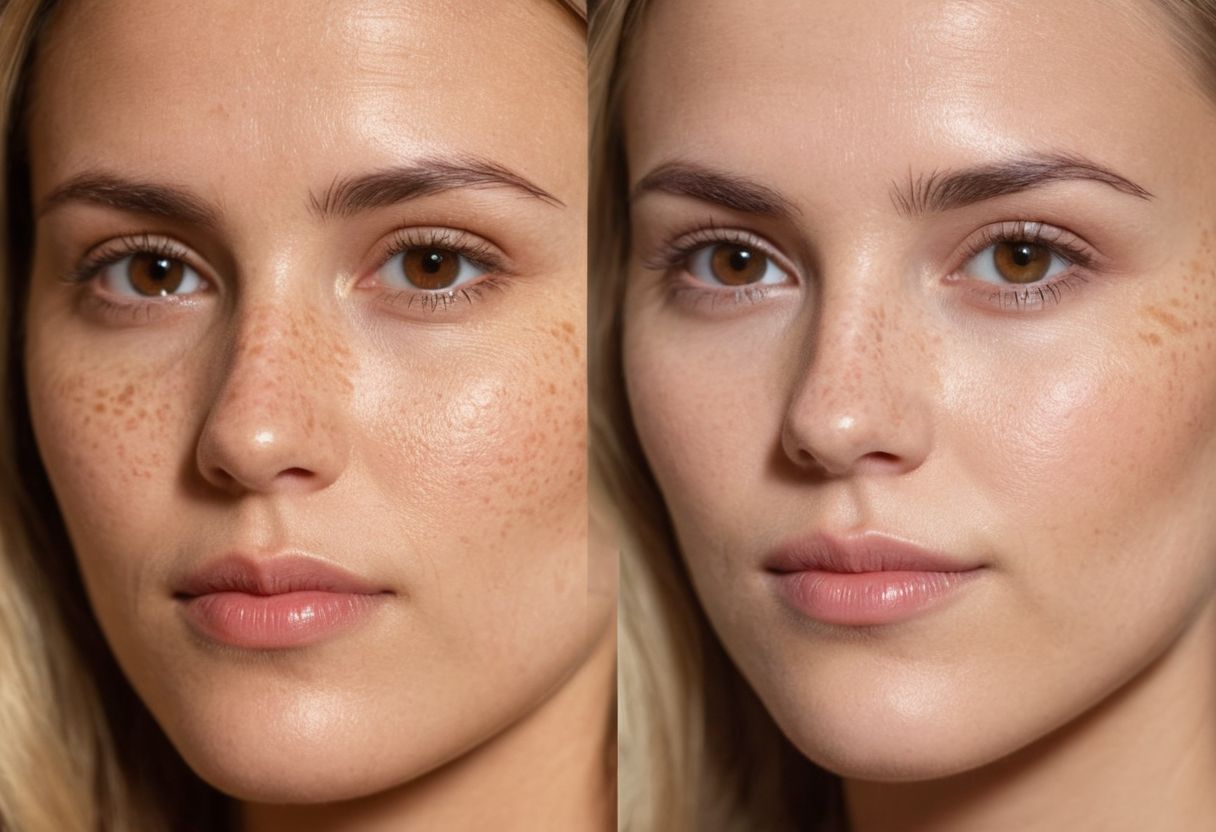
Laser treatments have revolutionized the way we tackle sun spots, offering a high-precision method to reduce or eliminate these signs of sun damage. Before undergoing treatment, patients often witness a marked difference in skin clarity in ‘before and after’ scenarios, with the ‘after’ photos showcasing significantly reduced pigmentation and a more even skin tone.
The effectiveness of these treatments is evident in the visual improvements in skin appearance. Laser technology targets the melanin that forms sun spots, breaking it down without harming the surrounding skin. This targeted approach not only clears the skin but also enhances its overall health and appearance, making laser treatments a popular choice for those seeking to rejuvenate their skin.
What to Expect After Laser Treatment for Sun Spots
After undergoing laser treatment for sun spots, patients can expect some immediate side effects such as redness, mild swelling, and a sensation similar to sunburn. These effects are generally short-lived, resolving within a few days. Post-treatment care is crucial and includes avoiding direct sunlight and applying prescribed skincare products to aid the healing process.
Longevity of Laser Treatment Results for Sun Spots
The longevity of results from laser treatments for sun spots can vary. Factors such as the type of laser used, the severity of the sun spots, and the patient’s skin type play a role. With proper skincare and sun protection, the effects can last several years. However, new sun spots may develop if the skin is exposed to the sun without adequate protection.
How to Maintain Results After Laser Sun Spot Removal
Maintaining the results of laser sun spot removal requires a diligent skincare routine. Key steps include:
- Consistently applying a broad-spectrum sunscreen with an SPF of 30 or higher
- Wearing protective clothing and seeking shade when outdoors
- Using gentle, non-abrasive skin care products to avoid irritation. Regular follow-up treatments may also be recommended to address any new sun spots.
Where to Find Laser Treatment for Sun Spots on Face
Finding the right clinic for laser treatment of sun spots on the face can be challenging. It’s essential to look for places that not only offer the latest laser technology but also have experienced dermatologists. Many clinics provide detailed information on their websites about the types of lasers they use, such as fractional lasers or IPL, which are effective for treating sun spots.
Additionally, some clinics might offer consultations where you can discuss your specific skin concerns and receive tailored advice. It’s a good idea to check out patient reviews and before-and-after photos to gauge the effectiveness of the clinic’s treatments. Remember, the success of laser treatments largely depends on the expertise of the practitioner and the technology used.
Consulting a Dermatologist for Laser Sun Spot Treatment
Consulting a dermatologist is crucial when considering laser treatment for sun spots. Dermatologists are trained to assess your skin type and the severity of sun damage to recommend the most effective treatment. They can guide you through different laser options, such as Q-switched lasers or more intense treatments like CO₂ lasers, ensuring you receive a personalized treatment plan that addresses your specific needs.
Choosing the Right Practitioner for Laser Sun Spot Removal
Choosing the right practitioner for laser sun spot removal involves checking their qualifications and experience. It’s advisable to select a board-certified dermatologist or a laser treatment specialist with a strong track record. Ensure they have experience specifically with laser treatments for pigmentation issues and ask to see before-and-after pictures of previous patients to assess their expertise.
The Importance of Sun Protection Post-Laser Treatment
After undergoing laser treatment for sun spots, it’s crucial to protect your skin from the sun. Exposure to UV rays can not only reverse the effects of the treatment but also lead to the development of new sun spots. Implementing a rigorous sun protection regimen is essential to maintain the results and ensure the health of your skin.
Using a broad-spectrum sunscreen with an SPF of 30 or higher is highly recommended. Reapplying sunscreen every two hours, especially after sweating or swimming, helps maintain effective protection. Additionally, wearing protective clothing and seeking shade can significantly reduce the risk of UV damage.
Safety of Laser Treatments for Various Skin Types
Laser treatments are generally safe for all skin types when performed by experienced practitioners. However, certain skin types, especially darker tones, may be more prone to side effects like hyperpigmentation. It’s important to choose treatments and settings that are tailored to your specific skin type to minimize risks and achieve the best results.
Comfort During Laser Treatment for Sun Spots
During the laser treatment for sun spots, patient comfort is a priority. Many modern lasers feature built-in cooling systems to minimize discomfort. Additionally, topical anesthetics may be applied to numb the treatment area, making the experience more comfortable for patients who might be sensitive to the procedure.
Preparing for Your Laser Treatment Session
Preparing for your laser treatment session is crucial to ensure the best possible outcome for removing sun spots. It’s important to avoid sun exposure and tanning beds for at least four to six weeks before your session. This helps reduce the risk of complications and prepares your skin for the treatment.
Additionally, you should stop using any skin products that might sensitize your skin to light, such as certain acne treatments or exfoliants. Your dermatologist might also recommend avoiding specific medications that could affect your skin’s response to the laser. Following these steps carefully can make a significant difference in the effectiveness and safety of your treatment.
Treatment Frequency for Effective Sun Spot Removal
For effective sun spot removal, a series of 3-5 laser treatments is typically recommended. These sessions should be spaced about a month apart to allow the skin to heal properly between treatments. Following this regimen can lead to a significant reduction in the appearance of sun spots, with periodic maintenance treatments suggested annually to manage any new sun damage.
Recovery After Laser Treatment for Sun Spots
Recovery after laser treatment for sun spots generally involves minimal downtime, but proper care is essential. You may experience some redness and swelling for a few days, and it’s crucial to protect your skin from the sun. Using a broad-spectrum sunscreen and following a gentle skincare routine as prescribed by your dermatologist will help maintain the results and aid in the healing process.
Are You a Candidate for Laser Treatment for Sun Spots?
Identifying whether you’re an ideal candidate for laser treatment for sun spots is crucial before you consider this option. Typically, good candidates are those without active skin conditions such as acne, eczema, or psoriasis and have not had significant sun exposure recently. It’s also important that candidates haven’t undergone any other intense skin treatments or used strong topical agents shortly before the laser procedure.
During a pre-treatment consultation, a specialist will assess your skin’s condition and discuss your medical history to ensure laser treatment is suitable for you. They will check for:
- Healthy skin without current inflammations or infections
- Absence of recent skin treatments that might affect laser efficacy
- Realistic expectations about the results of the treatment
This careful evaluation helps in achieving the best outcomes while minimising any risks associated with laser procedures.
Discover BEAUTYCLINIC‘s Laser Solutions for Sun Spots
At BEAUTYCLINIC, you’ll find a range of advanced laser solutions tailored specifically for treating sun spots on your face. With state-of-the-art technology, such as the Fotona 4D™ Laser and the Morpheus 8, BEAUTYCLINIC offers precise treatments that target the melanin causing these blemishes. This ensures effective fading of sun spots, enhancing your skin’s natural beauty and restoring a more even complexion.
Choosing BEAUTYCLINIC not only provides access to top-tier laser treatments but also the expertise of skilled dermatologists. Here are a few reasons to book a consultation today:
- Personalised treatment plans based on your specific skin needs
- Minimal downtime allowing you to return to your daily activities promptly
- Access to a range of complementary aesthetic services for overall skin rejuvenation
Visit BEAUTYCLINIC to learn more about how their laser treatments can help you achieve a spot-free and radiant complexion.
Frequently Asked Questions
Can laser remove sun spots on face?
Yes, laser treatments can effectively reduce and erase the appearance of sun spots on the face by targeting and breaking down the melanin that causes these dark patches.
What facial treatment is best for sun spots?
Laser treatments are highly effective for removing sun spots, as they target the melanin causing these dark spots and break them down without damaging surrounding tissues. Alternatives like chemical peels and microdermabrasion are also beneficial, depending on your skin’s sensitivity and the extent of sun damage.
What procedure gets rid of sun spots on face?
Laser treatments are a highly effective procedure for getting rid of sun spots on the face. They work by targeting the melanin that forms the sun spots, breaking it down, and thus reducing their appearance significantly.
Can you permanently remove sun spots?
Laser treatments can significantly reduce the appearance of sun spots, and with proper skincare and sun protection, the effects can last several years. However, new sun spots may develop if the skin is exposed to the sun without adequate protection, so while they can be managed effectively, permanent removal is not guaranteed.


